Basic Information

Flowerhorn cichlid


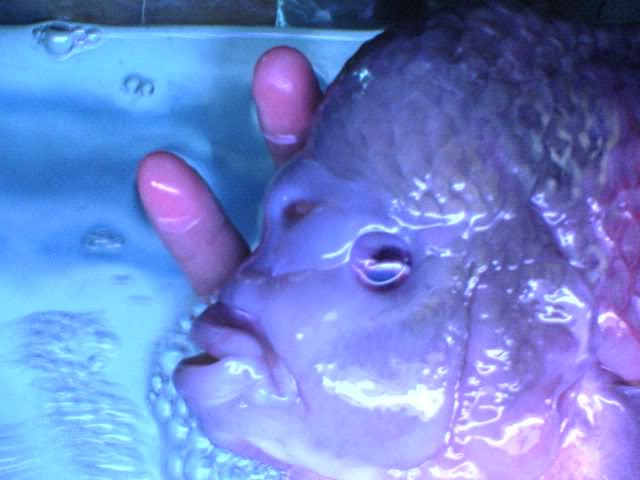
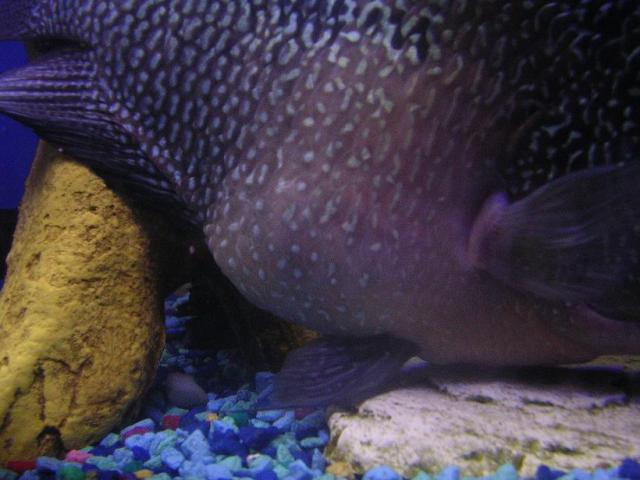
Flowerhorn cichlids are ornamental aquarium fish noted for their vivid colors and the distinctively shaped heads for which they are named. Their head protuberance, or kok, is formally termed a "nuchal hump." Like blood parrot cichlids, they are man-made hybrids that do not exist in nature.

Care

Flowerhorn cichlids have a life span of 10–12 years. They are usually kept at a water temperature of 80–85 °F, and a pH of 7.4–8.0. They require a tank of a minimum of approximately 20–30 gallons to grow. Being aggressive and territorial, two or more flowerhorns are usually not kept together


 Source From :- "http://www.flowerfish.com"

Flowerhorn Diseases And How To Cure Them


Common Flowerhorn Diseases and Treatment

Caring for your Flower Horn is not just about feeding it, it’s also about watching for potentially serious health conditions.

Below are some of the problems your Flower horn might experience.

________________________________________________________________________

White Spot Disease


Cause and Symptoms

  • The cause of this condition is Ichthyophithirius multifilis (ICH ) , a ciliated protozoan .
  • Bad water quality can increase the likelihood that your fish will be victim to this parasite.
  • Low water temperatures (< 25°C) are ideal breeding grounds for ICH.
  • The most common way Flower horns get ICH is when they are fed live or frozen food that has already been contaminated with the parasite.
  • The most prominent symptom of this condition are the pure white spots that will appear all over your fish. You may also notice the fins are clumped together, and they act a bit more lethargic than usual. Moreover, it’s common for them to lose interest in food when ICH infects.

Treatment

The parasites resides under the skin of the fish, hence it is not affected by water treatment or direct treatment applied to the fish . Break the breeding cycle of Ich by washing the tank thoroughly to remove the cysts of the parasite. Keep in mind that this is a highly contagious condition, so your entire aquarium must be treated.

To cure white spots:

  • Place Kordon Ich inhibitor in your tank.
  • Add aquarium salt at 3g/l of water every 3 days together with the medication.
  • After 3rd day, tank must be washed thoroughly to eliminate the causative agent.
  • Add Kordon Malachite Green treatment to your tank.

Preventive measures:

  • Add Kordon Prevent Ich Fish Disease Inhibitor and Preventative to your tank.
  • Quarantine new fish for three to four weeks.
  • Avoid cross-tank contamination.

____________________________________________________________________________________________________________

Hole-In-The-Head Disease


Cause and Symptoms

  • The cause of this condition is Hexamita Protozoa , parasitic organisms that are highly contagious.
  • These parasites thrive with poor water quality management.
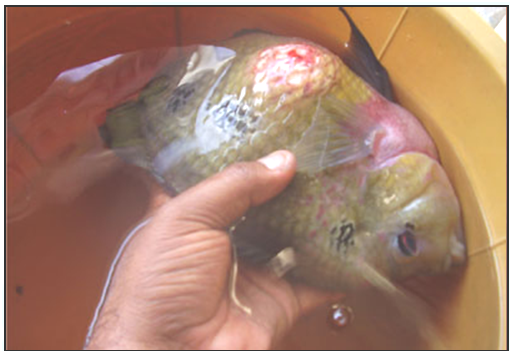
  • If your fish has this condition, you will notice the appearance of small pits and pimples mainly on the fish’s head. These pits will simply grow and form bigger pits.
  • The pits are white in color, and sometimes mucous are visible around them.
  • In addition to losing weight, becoming lethargic, and losing their appetites, the fish will produce white, stringy feces.

Treatment

  • Add Dimetrydazole (5mg/l) or Metronidazole (7mg/l).
  • Repeat treatment once every 3 days.
  • Do a 20%-30% water change.
  • It is sometimes necessary to inject Metronidazole, but injections near the affected area should be attempt only by qualified personnel.

Preventive measures :

  • Change your water regularly.
  • Quarantine new fish for three to four weeks.
  • Avoid cross-tank contamination.

____________________________________________________________________________________________________________

Pop Eye
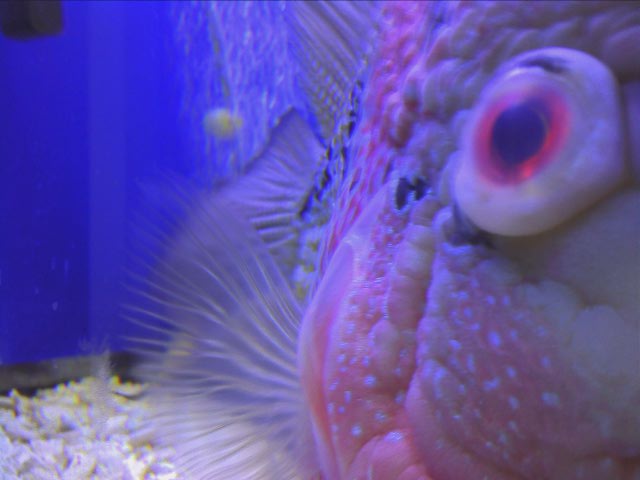


This is very easy to cure especially when it is in its early stages.

Perform a water change of no less than 50%. Put 1 x Tetracycline 500mg and 1 x Dimetridazole 500mg plus some Vitamins for every 20-25 gallons of water. Do a water change and re-dose 1 x Tetracycline 500mg every other day. Just a month a ago, I did this procedure on two of my breeders that got infected from a female fish. Luckily they got better after 7 days.

On severe cases, Azoo Bacteria Tabs or Azoo Bacteria Treater is best! Set your heater to 30 degrees Celsius.

____________________________________________________________________________________________________________

Dropsy


Causes & Symptoms

  • This condition is caused by a bacterial infection.
  • Poor water quality, overcrowding, and stress can make your fish more susceptible to this condition.
  • If your fish is affected, he may appear bloated and stop eating

Treatment

· Do not add aquarium salt to your tank.

· Use a commercially prepared treatment available at your local pet shop.

Preventive measures :

  • Change your water regularly.
  • Quarantine new fish for three to four weeks to avoid the introduction of new, dangerous bacteria.
  • Avoid cross-tank contamination.

____________________________________________________________________________________________________________

Fin & Tail Rot Disease


Causes & Symptoms

  • This condition is caused by Pseudomonas and other related bacteria.
  • Poor water quality causes these bacteria to thrive in your tank.
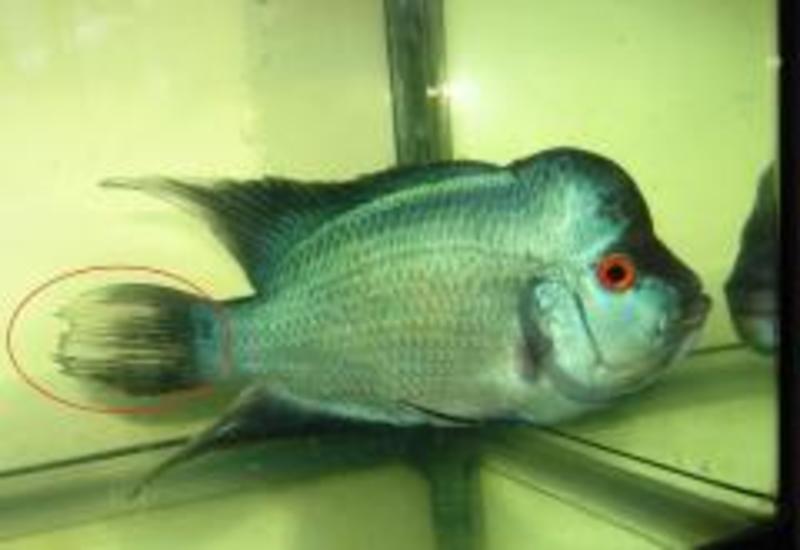
  • If your fish is affected, the fin and tail appeared eaten away and white edged. You may even notice the fin or tail beginning to literally dissolve.
  • The color of the fish may dull, and the fins may clump together.
  • This bacteria is highly contagious.

Treatment

  • Treat the whole tank, but quarantine and treat the heavily infected fish.
  • Tetracycline should be added.

Preventive measures :

  • Change your water regularly.
  • Quarantine new fish for three to four weeks.
  • Avoid cross-tank contamination.

_____________________________________________________________________________________________________________

Air Bladder Disease


Causes & Symptoms

  • This condition is caused by a number of things, but the most likely problems are a virus or a bacterial infection.
  • If your fish has this condition, you may notice they have trouble swimming correctly, or they tend to swim upside down.

Treatment

  • Because it can be hard to determine the cause of this problem, it can also be difficult to treat it, but in general, an antibiotic agent should take care of the problem.

Preventive measures :

  • Change your water regularly.
  • Quarantine new fish for three to four weeks.
  • Avoid cross-tank contamination.

_____________________________________________________________________________________________________________


----------------------------------------------------------------------------------------------------------------------------------------------------------------------------------------------

Click on picture for more information about this fish

This free website was made using Yola.

No HTML skills required. Build your website in minutes.

Go to www.yola.com and sign up today!

Make a free website with Yola